
Cybersecurity, Infra & Risk Management

Cybersecurity and risk management is the work of finding what an organization exposes, putting the right controls around it and deciding which risks to accept. National Front Corp. delivers it to organizations in Canada, the United States and Europe, remotely and on site. Your organization ends up with a clear picture of its exposure, controls with named owners and a security program your team can run with confidence.
At a glance
- Services
- Security assessments, security architecture, infrastructure hardening, vulnerability management, penetration testing, compliance and risk management
- How we work
- Scoped engagements agreed in writing, then a program your team runs or we operate with you
- First step
- An exploratory meeting about your systems and pressures, followed by a written scope and quote
- Languages
- English and French
- Where
- Canada, United States and Europe, remotely and on site
Last updated
Services
 Security AssessmentsFind out what is exposed, what is missing and what to fix first. A prioritized plan your team can act on the same week.
 Security ArchitectureControls designed around the way your organization works. Security that holds up long after the audit is over.
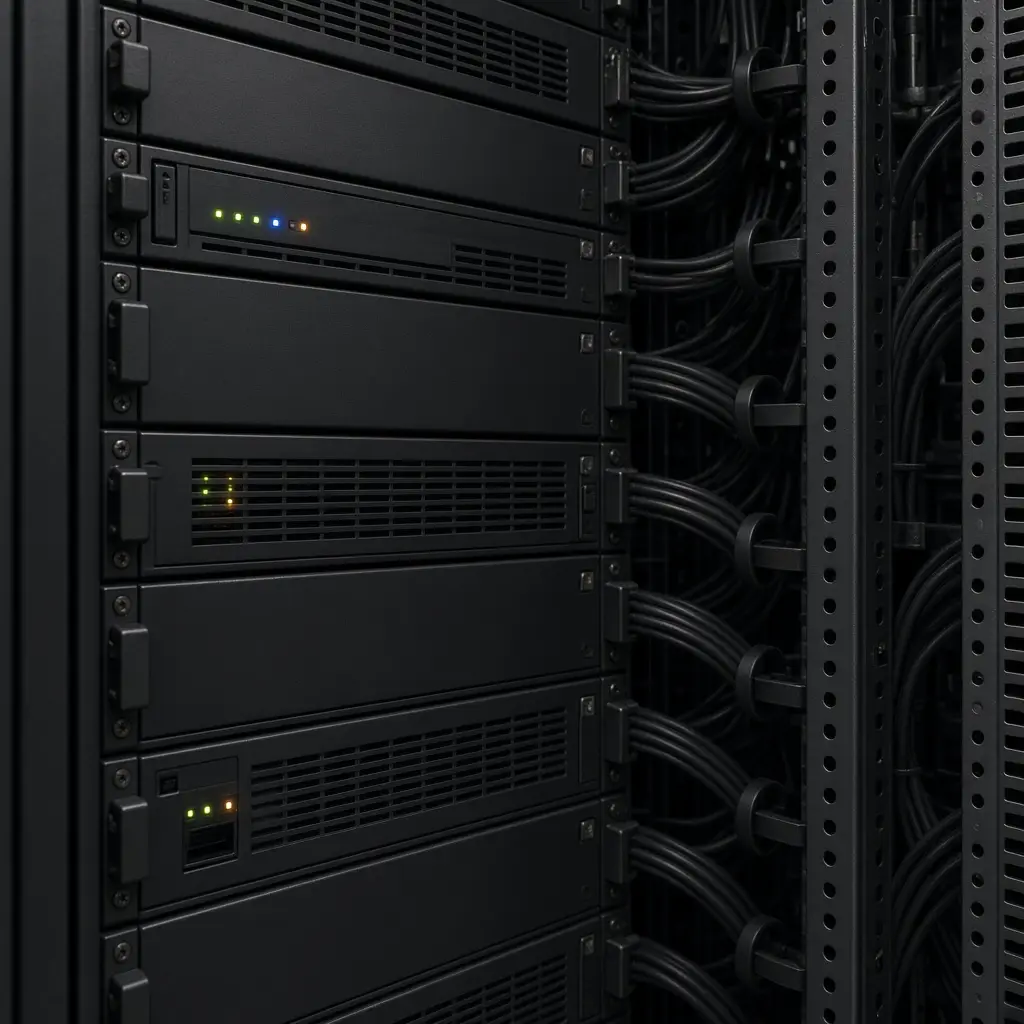 Infrastructure HardeningCloud and on-premises systems brought to a baseline you can maintain. Fewer open doors, faster recovery, less downtime.
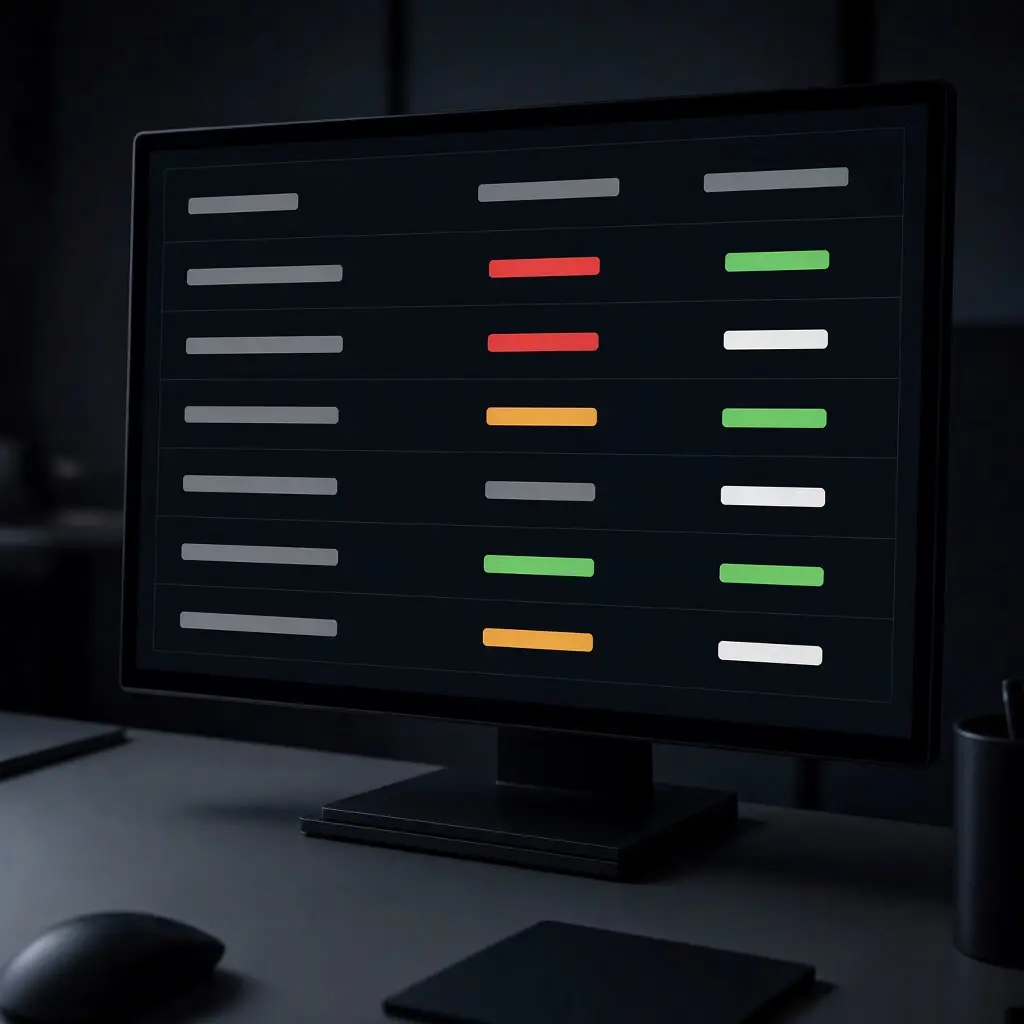 Vulnerability ManagementA steady process for finding, ranking and closing weaknesses. Every issue gets an owner and a deadline.
 Penetration TestingAuthorized testing that shows what an attacker could reach. Clear evidence, a fix list and no surprises.
 ComplianceSOC 2 and ISO 27001 readiness built on controls your team can run. We prepare the program; an independent auditor issues the certificate.
 Risk ManagementA living register of the risks that matter, with owners and decisions. Leadership always knows where it stands.


What does cybersecurity and risk management cover?
Our cybersecurity department protects the infrastructure, cloud environments and data that our partners depend on every day. We assess what is exposed with Security Assessments, design controls that fit the way your people work through Security Architecture, and bring the systems that carry your mission to a maintained baseline with Infrastructure Hardening.
The same picture then drives the routines that keep you protected. Vulnerability Management finds, ranks and closes new weaknesses on a steady cycle. Penetration Testing shows, under written authorization, what an attacker could reach. Compliance prepares your SOC 2 or ISO/IEC 27001 program for the independent audit, and Risk Management records the risks that remain, who owns them and what was decided.
Cybersecurity is a series of business decisions, and we treat it that way. You will always know what is exposed, who can change it, how weaknesses get closed and which risks you have chosen to accept. Our partners come to us because they want that clarity from a team that will also do the work.
What does working with our cybersecurity team look like?
- Exploratory meeting. We start with a conversation about your organization, the systems that matter most and the pressure you are under, whether that is a customer audit, a regulator or an incident you never want to repeat.
- Assessment. We build an honest picture of your assets, your exposure and your control gaps, then order the findings so your team knows exactly what to fix first.
- Design and hardening. We design the controls, apply them to your infrastructure and set up the routines that keep them in place: vulnerability management, authorized testing and compliance evidence.
- A program you own. Once the program is running, your team takes it over with our documentation and training, or we continue to operate it alongside you. Either way, you stay in control.
Where should your organization start?
Most partners start with a security assessment, because every later decision depends on an honest picture of the environment. If a customer contract or a new market already requires a SOC 2 report or an ISO/IEC 27001 certificate, we begin with a compliance readiness review and fold the assessment into it. If a launch is close, an authorized penetration test of the new system can come first.
Our work maps to the frameworks your auditors, insurers and customers already use, including NIST CSF 2.0, the CIS Controls and CIS Benchmarks, ISO/IEC 27001:2022, the SOC 2 Trust Services Criteria and ISO 31000. Your program speaks their language from the first deliverable.
For the threats most likely to reach your sector, our intelligence team’s Threat Summaries feed directly into the risk register, so leadership decides with current information.
Can security be built into a system we are developing?
Many of our security engagements begin with a system our development team is building. When you need both, our Development, Technology & Products team and our security experts work as one group from the first design review. Security decisions are made at the design stage, and the controls are documented as the system is built, ready for the audit that follows.
Questions we hear often
- Do we need an in-house security team to work with you?
- No. Some of our partners are building their first formal security program, while others already run assessments and audits and want one team to tie the work together. National Front Corp. meets your organization where it is and sizes each cybersecurity engagement to fit, from a single assessment to a program our experts operate alongside your staff.
- Can you certify us for SOC 2 or ISO 27001?
- No, and no firm should both prepare and certify the same program. National Front Corp. prepares the controls, the evidence and the operating routine. A SOC 2 report is issued by an independent CPA firm under AICPA attestation standards, and an ISO/IEC 27001 certificate is issued by an accredited certification body. We help you choose the auditor and work with them through the process.
- What is the difference between a security assessment and a penetration test?
- A security assessment reviews how your environment is designed and run, and shows where the gaps are. A penetration test is an authorized exercise in which our team attempts agreed paths against agreed systems and reports what was reached. Most partners start with the assessment so that the penetration test is aimed at the systems and paths that matter most.
- Can you secure a system you are also building for us?
- Yes, and it is the best way to do it. When our development and security teams work on the same project, security decisions are made at the design stage instead of being bolted on the week before launch. The controls are documented as the system is built, so the evidence an auditor or customer will ask for already exists.
- How much do cybersecurity services cost?
- The cost of a cybersecurity engagement depends on the services involved, the number of systems and sites in scope, the mix of cloud and on-premises environments, and whether the work is a one-time project or an ongoing program. National Front Corp. agrees the scope with you first, then sends a fixed written quote, so the full cost is known before any work begins.
- How long does a cybersecurity engagement take?
- A focused cybersecurity engagement, such as a security assessment or a penetration test, typically runs 1 to 6 weeks. Hardening, vulnerability management and compliance programs take several months to put in place, and a SOC 2 Type II report adds an observation period, commonly 3 to 12 months. The written scope that follows the exploratory meeting sets out a realistic schedule for your organization.
- How do we get started?
- Every cybersecurity engagement with National Front Corp. starts with an exploratory meeting about your organization, the systems that matter most and the pressure you are under. We then send a written scope and a quote for the first piece of work, which is usually a security assessment. Once you approve it, our experts begin, remotely or on site.
- Do you work in French and English across Canada, the US and Europe?
- Yes. National Front Corp. delivers cybersecurity and risk management work in English and French to organizations in Canada, the United States and Europe. Engagements run remotely, on site or as a mix of both, and reports, registers and training material are delivered in the language your teams work in, or in both.
Our security experts stay with you from the first assessment to a program your team runs on its own. If your systems carry the weight of your mission, we would like to help you protect them.
Example engagements
- Moving a Seattle logistics application from on-premises servers to the cloud
- A vulnerability management routine for a Dublin SaaS company
- Penetration testing for a London payments company ahead of a banking partnership
- A first security assessment for a Vancouver games studio
- Connected firmware with secure updates for a Bavarian equipment maker
- Hardening cloud accounts and remote field sites for a Calgary oilfield services firm
- Separating office IT and operational technology for a Houston midstream operator
- Law 25 controls and SOC 2 readiness for a Montreal SaaS company
- A risk register leadership can use for a Vienna-based manufacturer
- Re-architecting a San Francisco SaaS platform for enterprise customers
Related insights
- A risk register leadership actually uses
- Building a hardening baseline with CIS Benchmarks
- CMMC: what defence suppliers need before the next contract
- DORA: what financial entities and their ICT providers must do
- How to scope a penetration test
- New York's Part 500 cybersecurity regulation, after the 2023 amendments
- NIS2: what it means for your company and your suppliers
- Security assessment or penetration test: which one do you need first?
- What goes into a threat summary leadership reads every week
- Which vulnerabilities to fix first: CVSS, EPSS and the KEV catalogue
- Zero trust without the slogans: what to change first
Where we deliver
Remote engagements anywhere in Canada, the United States and Europe, and on-site work in these cities.